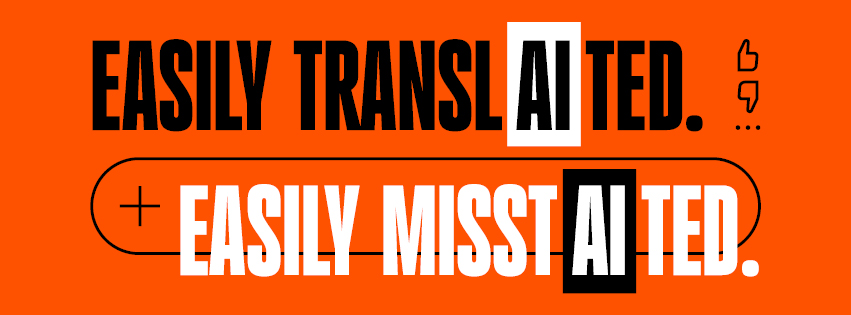
Language Professions Month: Easily translAIted. Easily misstAIted.
By Tanja Petrič, President of the Slovenian Association of Literary Translators
Translated from Slovenian into English by Simon Zupan
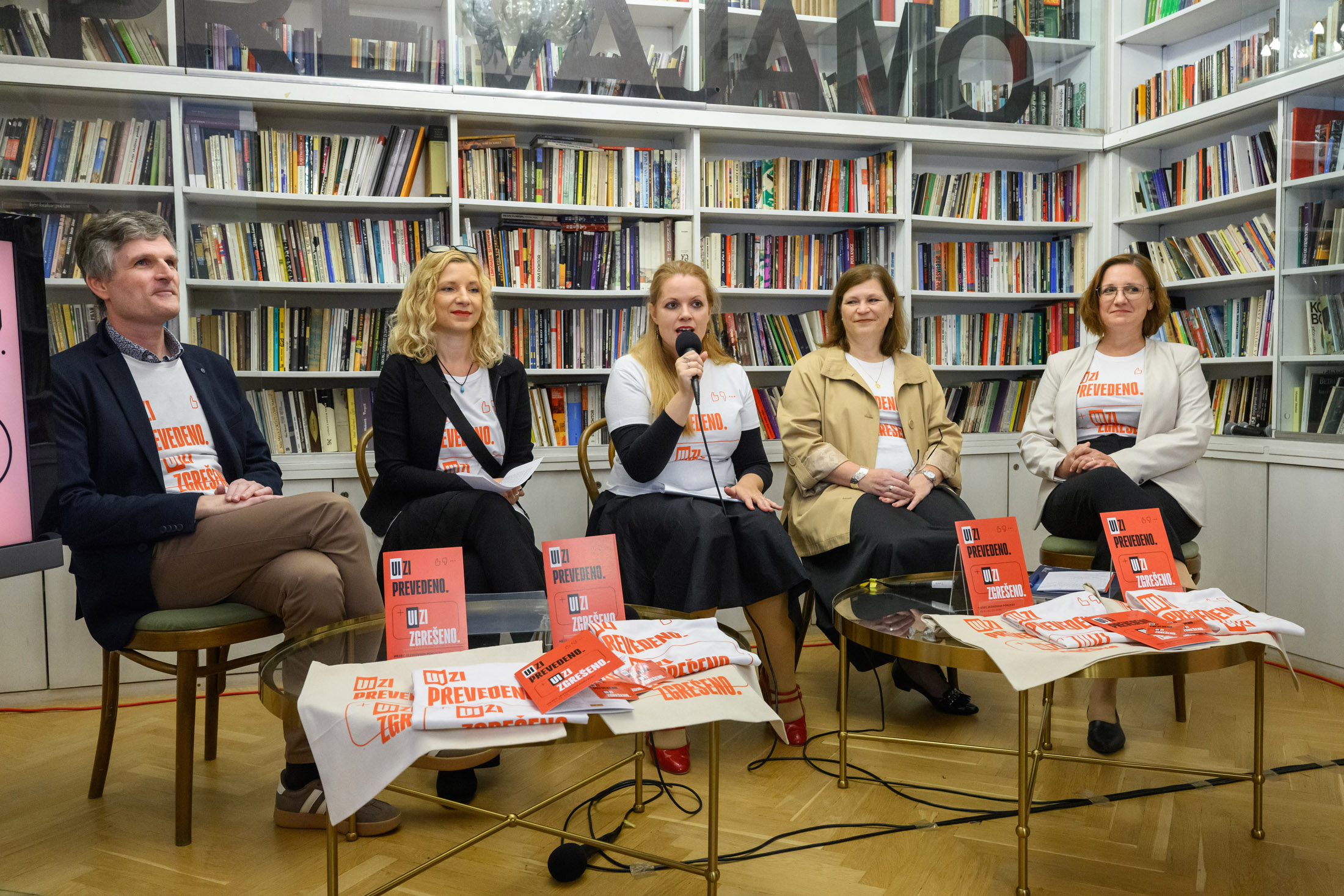
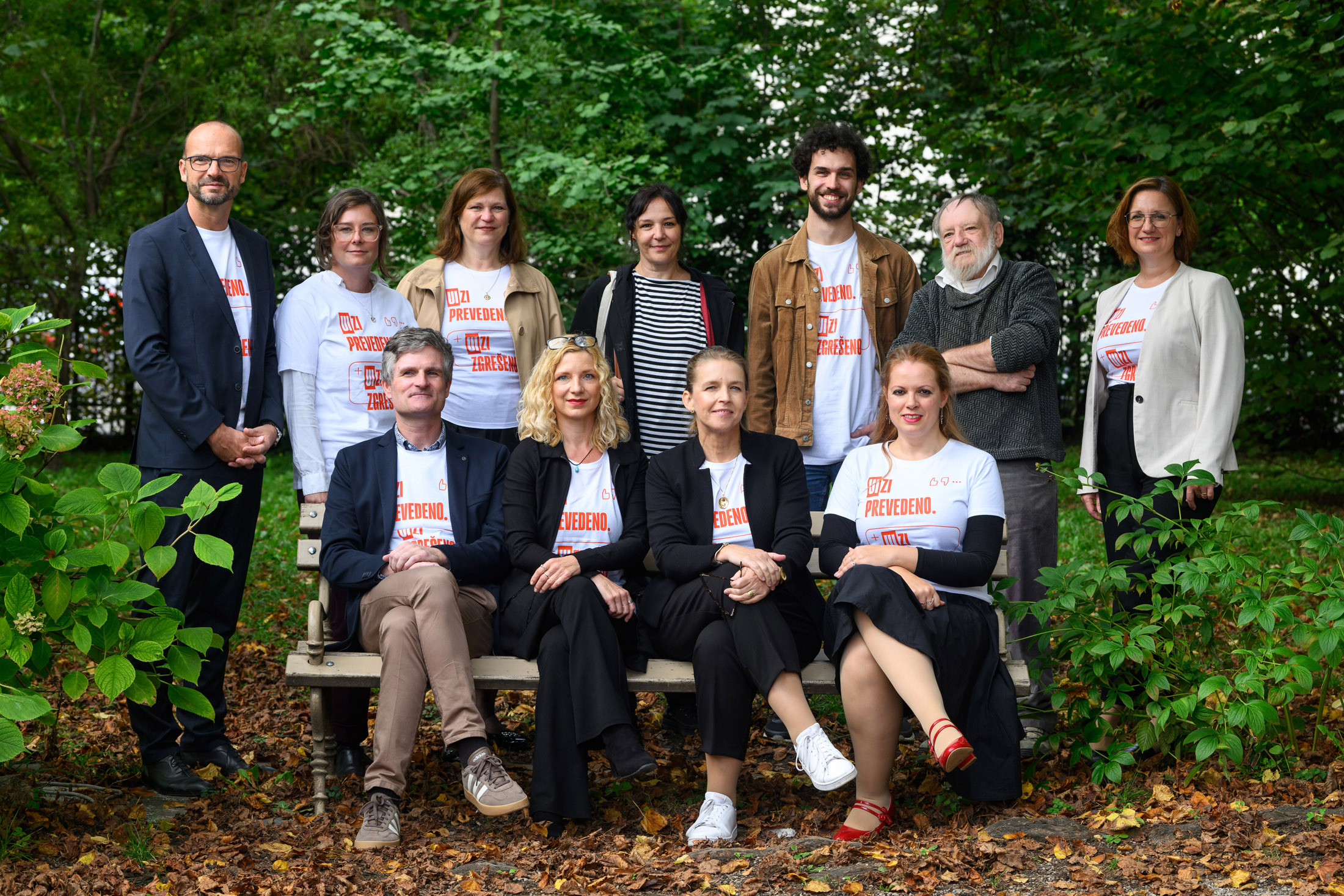
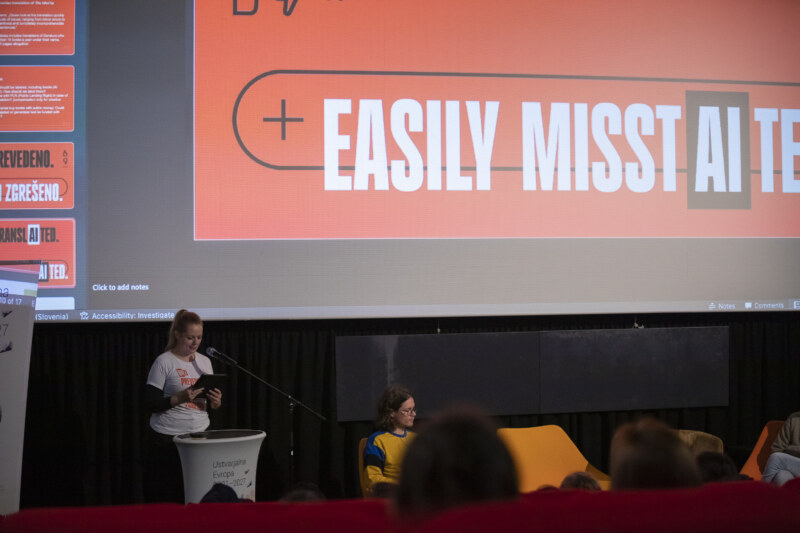
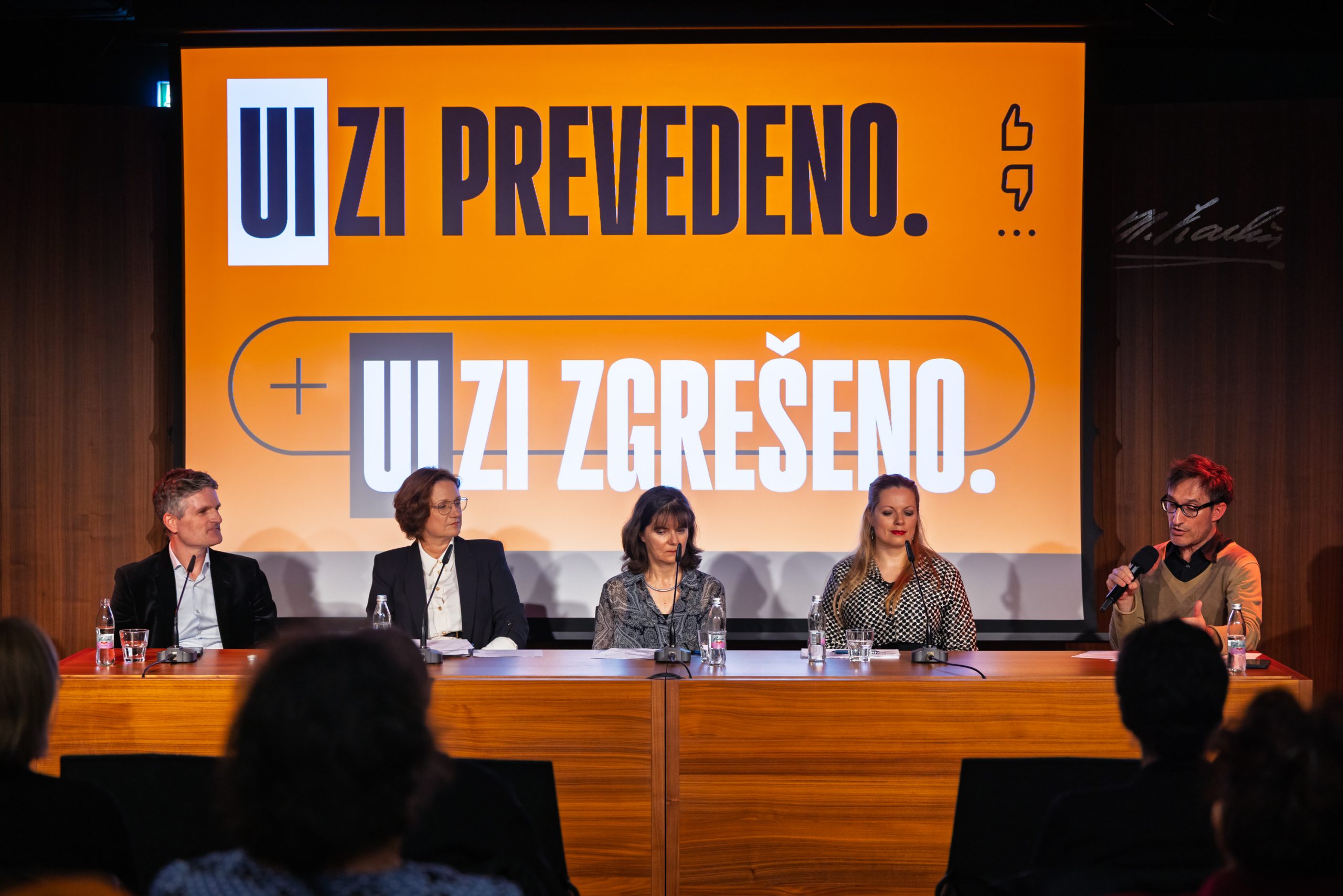
“Language Professions Month” is a campaign organized by seven language associations and three departments at Slovenian universities under the slogan Easily translAIted. Easily misstAIted. (Slovene: UIzi prevedeno. UIzi zgrešeno.) – the Slovenian Association of Literary Translators (DSKP), the Association of Slovenian Film and TV Translators (DSFTP), the Association of Scientific and Technical Translators of Slovenia (DZTPS), the Slovenian Association of Language Editors, the Slovene Association of Conference Interpreters (ZKTS), the Association of Translators and Interpreters of Slovenia (DPTS), Association of Sworn Court Interpreters and Legal Translators of Slovenia SCIT®, Department of Translation Studies, Faculty of Arts, University of Ljubljana, Department of Translation Studies, Faculty of Arts, University of Maribor, and Department of Applied Linguistics, Faculty of Humanities, University of Primorska. It begins on the eve of International Translation Day, September 29, and ends on October 31, Reformation Day, which is also a symbolic date for the Slovenian language and translation.
Language is not only a code of communication, but also an identifying and emotional entity with strong symbolic value. Faced with recent increasing challenges in their fields of activity, professional associations have joined forces in a joint campaign to raise public awareness of the importance and visibility of language professions and the responsibility that we as a community bear for the development of the Slovenian language, culture, and future language policy.
When the campaign was announced, industry representatives shared some thoughts on the current challenges with artificial intelligence, the status of language professions, and the training of language professionals. The DSFTP points out that subtitles, which were the first to suffer the consequences of unprofessional translation with the spread of pirated media platforms, are in fact “the most widely read translations, as the average viewer reads more of them than books and newspapers combined, which is why ensuring high-quality subtitles is important for linguistic culture in Slovenia, while machine translations impoverish the language and do not guarantee the quality that viewers deserve.” DZTPS also faces the challenges of the modern language and translation market by trying to strengthen the community of professional translators and court interpreters as much as possible. “The unregulated status of language professionals has scattered us and thus weakened the influence of the individual. In the association, we follow the principle of ‘strength in numbers’, so we organize online and physical events where translators can connect formally and informally, and we also welcome inter-association cooperation,” they wrote. Together with international associations of creators, the DSKP constantly draws public attention to the ambiguities surrounding the transparent, responsible, and ethical use of AI and the protection of human creativity, copyright, and intellectual property. “The use of machine translation, when it is no longer a tool in the hands of a language professional but rather an unedited final product, and , with the (still) unregulated use of AI, opens the door to controversial translation practices and business models, which in the field of literary translation is already evident in some poor-quality machine translations of classics or widely read genre literature, which have recently also appeared in libraries and bookstores,” they add at DSKP. Representatives of the Slovenian Association of Language Editors point out that innovations are often reflected in language, which is undergoing fundamental changes in this era of global openness, fluidity, and instant solutions. “The fact that the law on the public use of Slovenian is routinely disregarded also speaks to the decline in the prestige of the editing profession, but editing is a sophisticated and professional activity, and the proofreader is part of the team of text creators: they are the first reader, with an ear for linguistic tradition and a feel for new expressive needs, shaped by education, work, and continuous professional development,” they emphasize.
Experts in the field of language professions do not reject development and modern technologies but rather warn against the critical use of AI in translation as a tool guided by language professionals with in-depth language knowledge, which also includes knowledge of broader socio-cultural contexts. The SCIT® Association emphasizes that the role of professionally trained staff in the fields of court interpreting and legal translation is even more important today than in the past: “Only a well-educated translator or interpreter is able to recognize semantic and stylistic errors, cultural inconsistencies, etc. in a product created by a machine translation system or a person without the appropriate translation skills.” The DPTS also advocates regular professional training for language professionals. “Translators and interpreters must take on a managerial role in monitoring and evaluating the quality of AI results. They must actively collaborate with software developers, AI technology implementers in specific fields, legislators, and legal experts. The public, users, and clients of translation and interpreting services must be educated and trained in the critical use of MT and made aware of its advantages, shortcomings, and fatal dangers,” writes the DPTS.
Language and translation departments at Slovenian universities are also facing numerous challenges, as they are seeing a decline in student numbers year after year. “Interest in language professions is declining dramatically among young people, which is linked, on the one hand, to deteriorating working conditions and precarious employment, and on the other hand with the emergence of generative AI, which is increasingly convincing us in public discourse that professionals who work with language will easily be replaced by machines. An additional problem is the general decline of linguistic culture in the Slovenian public sphere and the uncritical attitude towards the use of foreign languages, especially English,” say representatives of the Department of Translation Studies in Maribor. The Department of Translation Studies in Ljubljana adds: “Due to rapid technological advances, it seems that we have instant translations at our fingertips with the help of translators and artificial intelligence tools. However, the text provided by a machine translator is not a translation, but only a basis for further work. Even if the text seems convincing, we need to be aware that it hasn’t been checked and may contain unpredictable meaning shifts that no one is responsible for and that are hard to spot, even in languages we know well. To fix these mistakes, we need a lot of knowledge and experience. The very acquisition of a high level of specific knowledge in the fields of translation, language and culture, and technological content is the mission of translation studies.”
Despite pessimistic, even apocalyptic predictions about the future of language professions, language educators are optimistic about the future. “The work of translators and interpreters is undoubtedly changing under the influence of AI, but it seems that when it comes to finding the right semantic and linguistic nuances, the most valuable differences between languages and cultures, machines will not yet be able to replace human creativity. The task of institutions that educate professionals in the field of language professions will be to raise awareness and alert society to these aspects, especially ethical ones, such as data privacy, responsibility for errors, or the evaluation of intellectual work, as these affect every individual in society,” they add in Maribor.
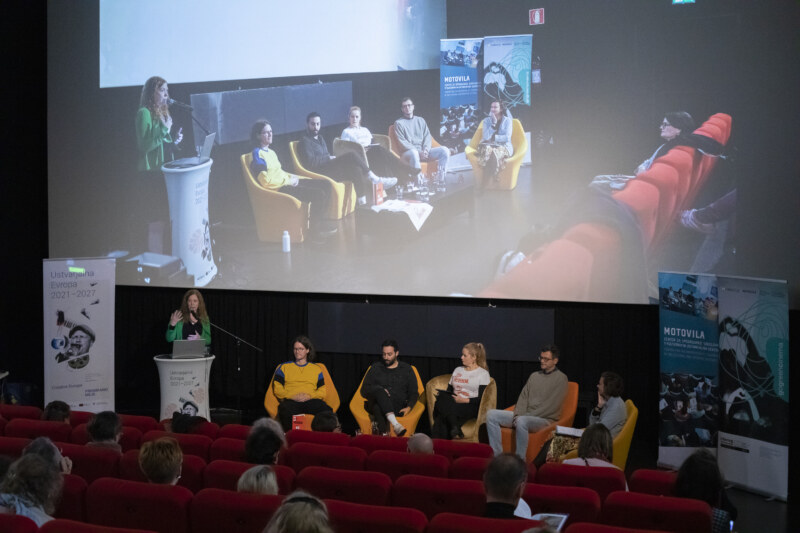
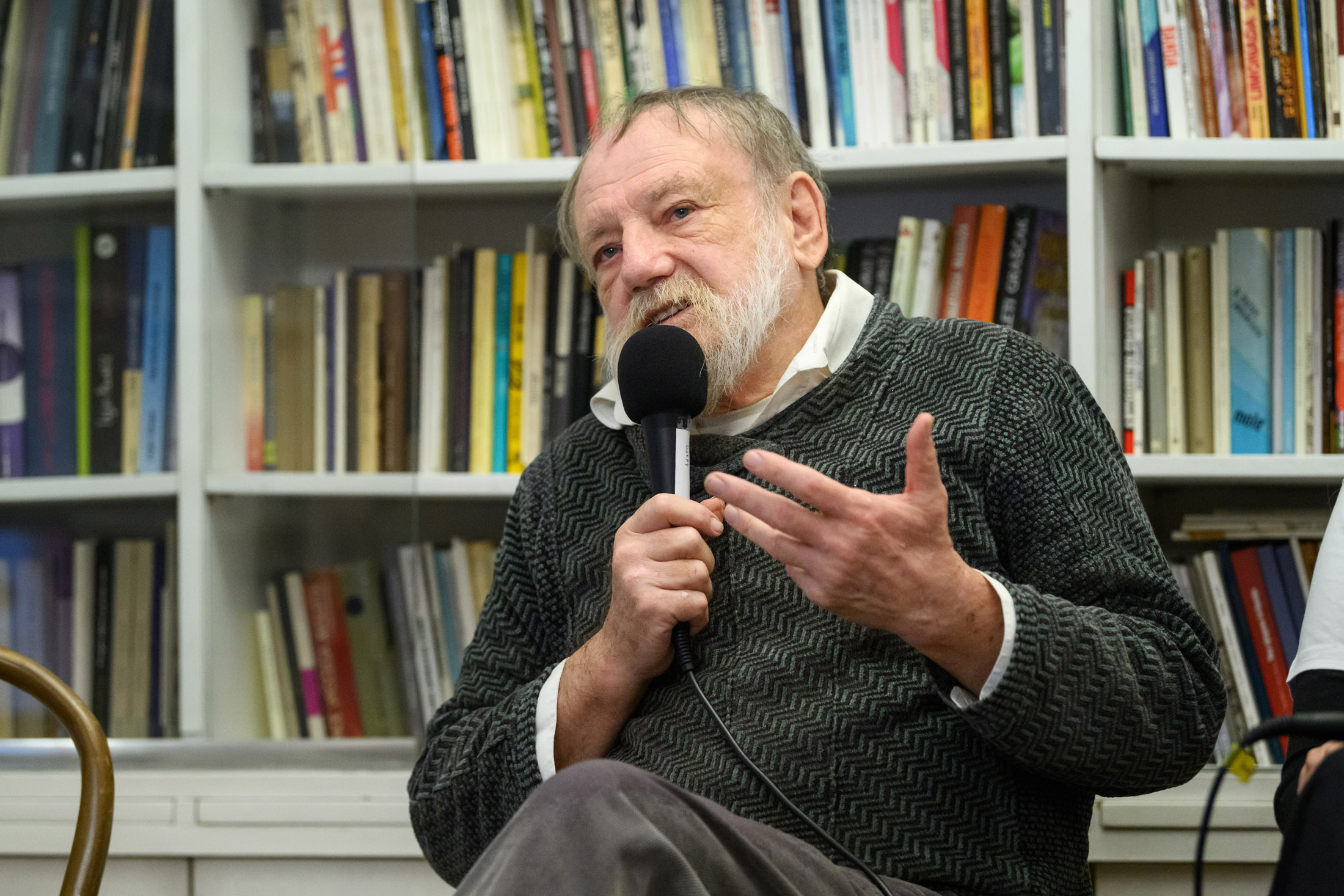
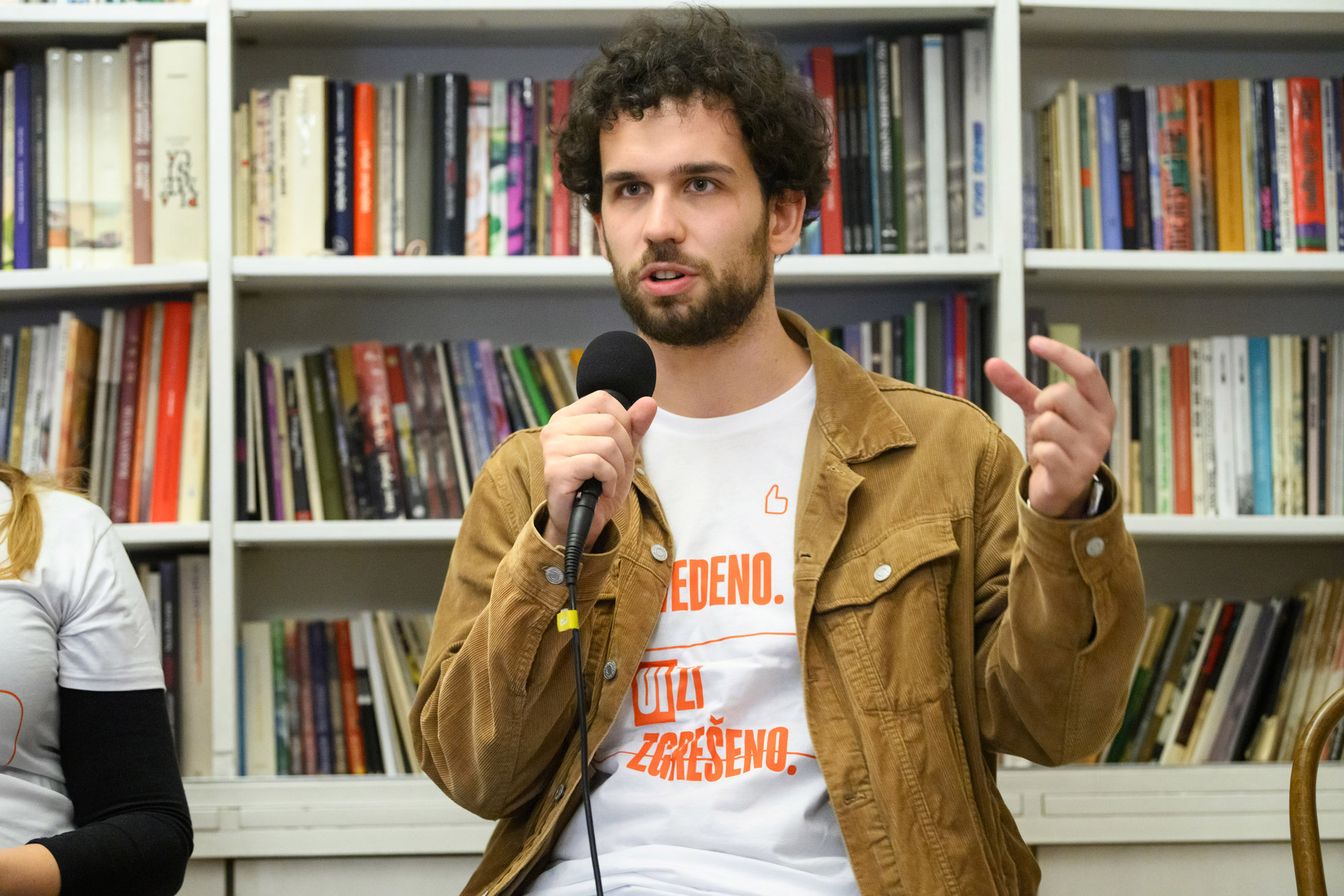
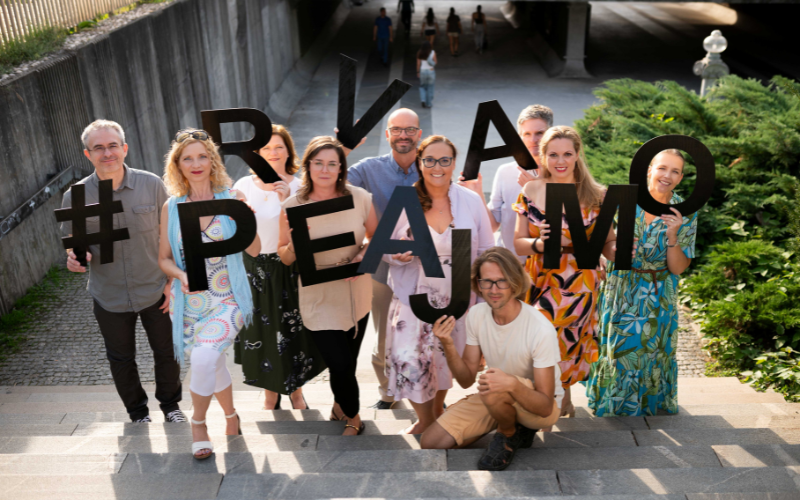
Photo: Vid Brezočnik
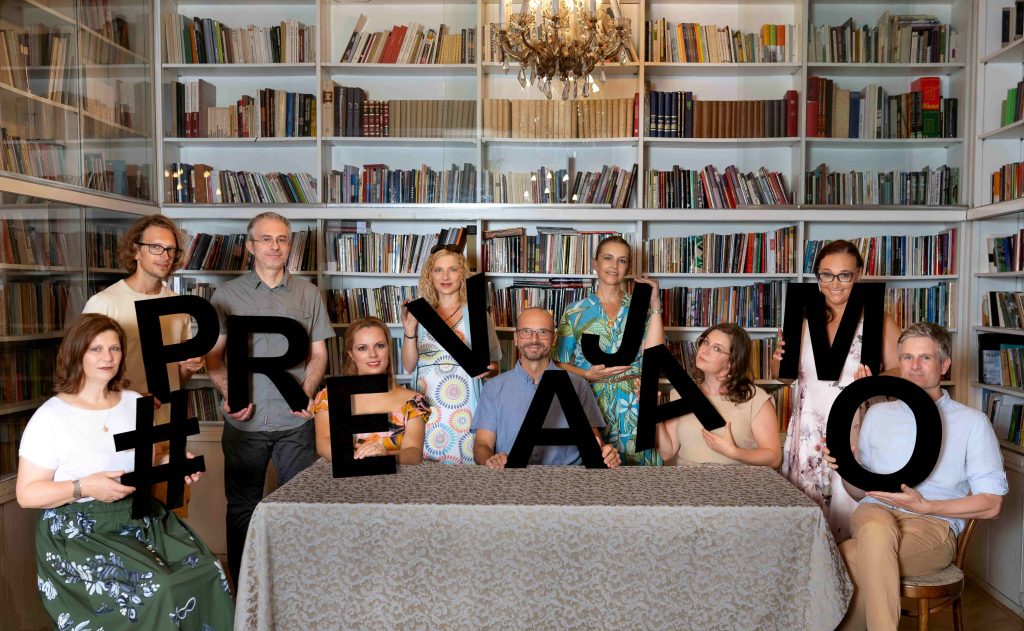
The campaign for the preservation and development of language professions is conducted under the honorary patronage of the President of the Republic of Slovenia, Dr. Nataša Pirc Musar.
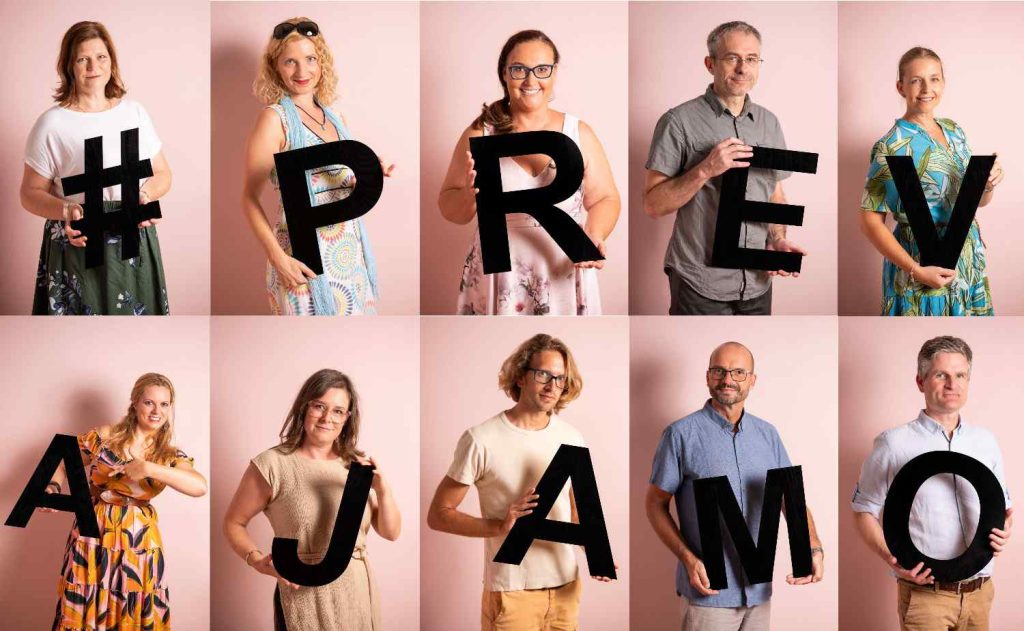
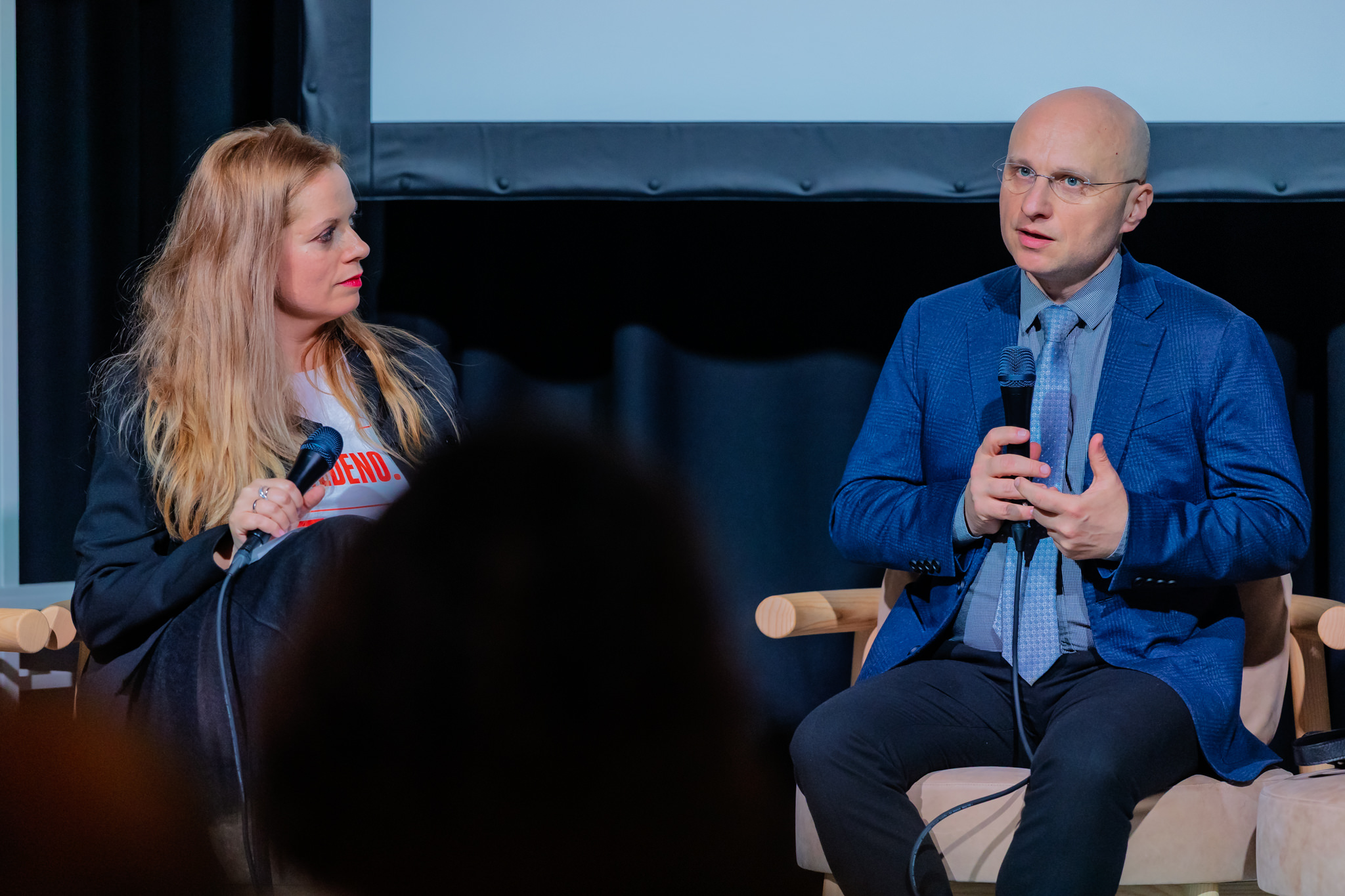
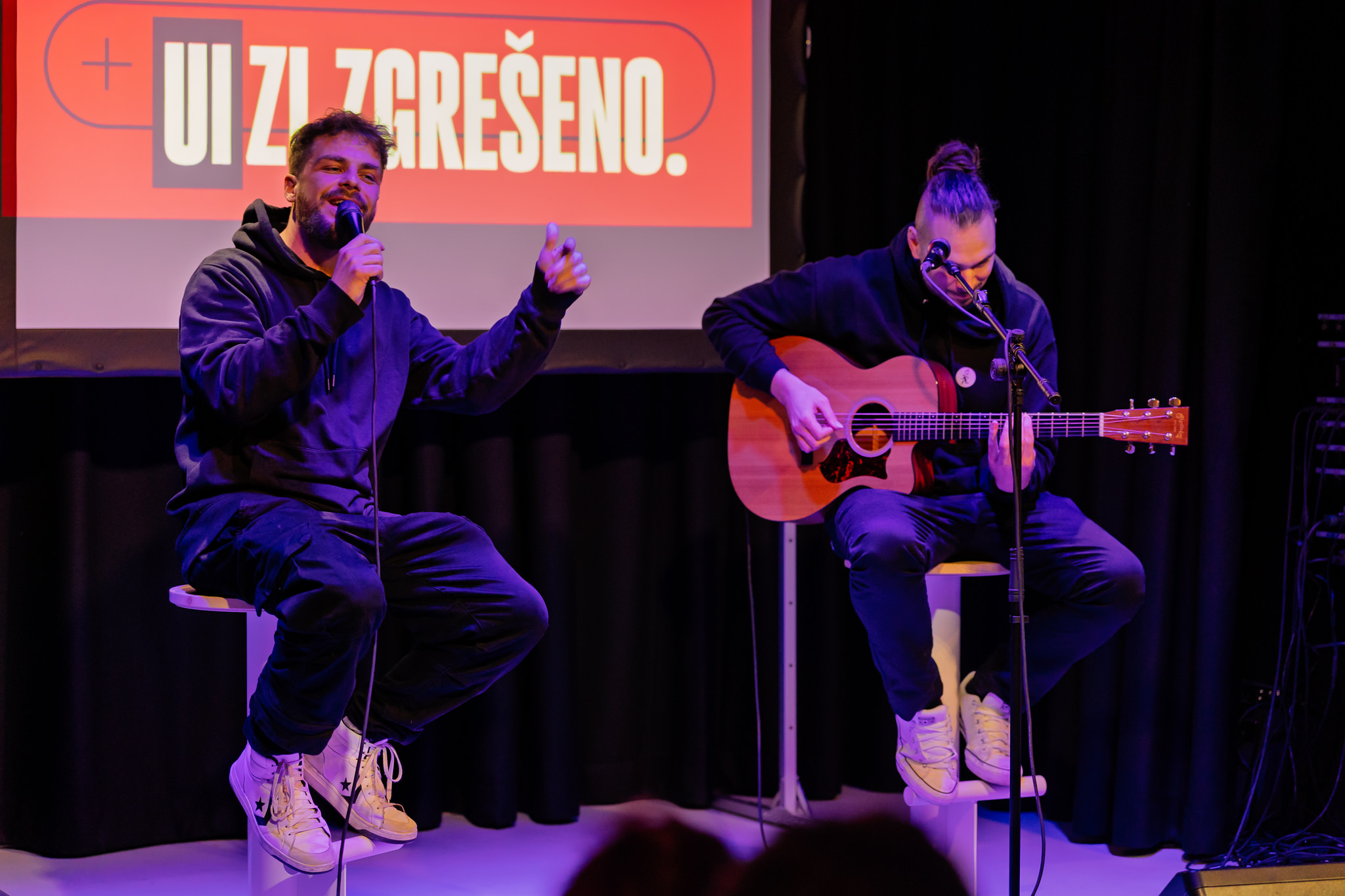
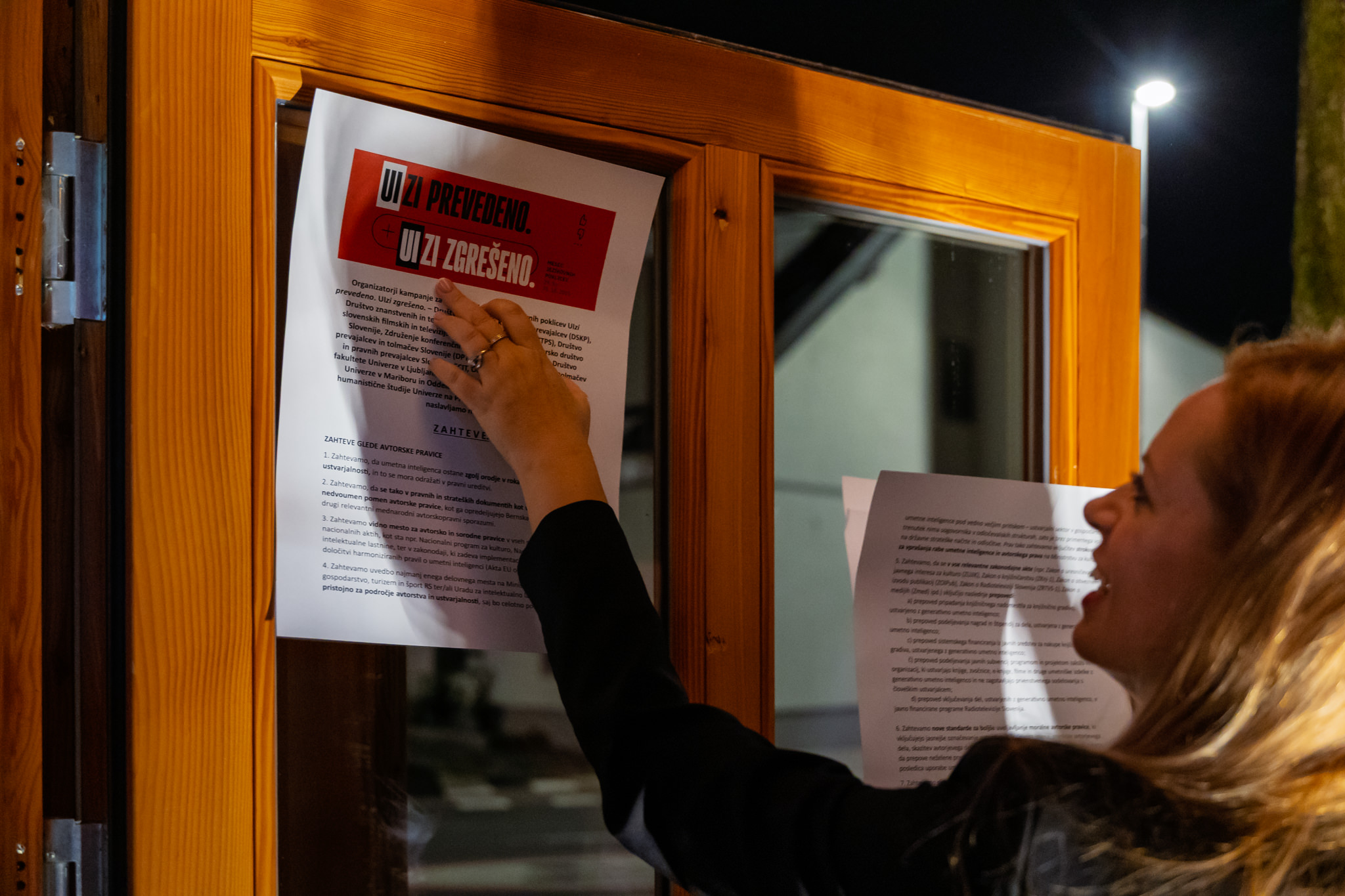
Best of Photos:
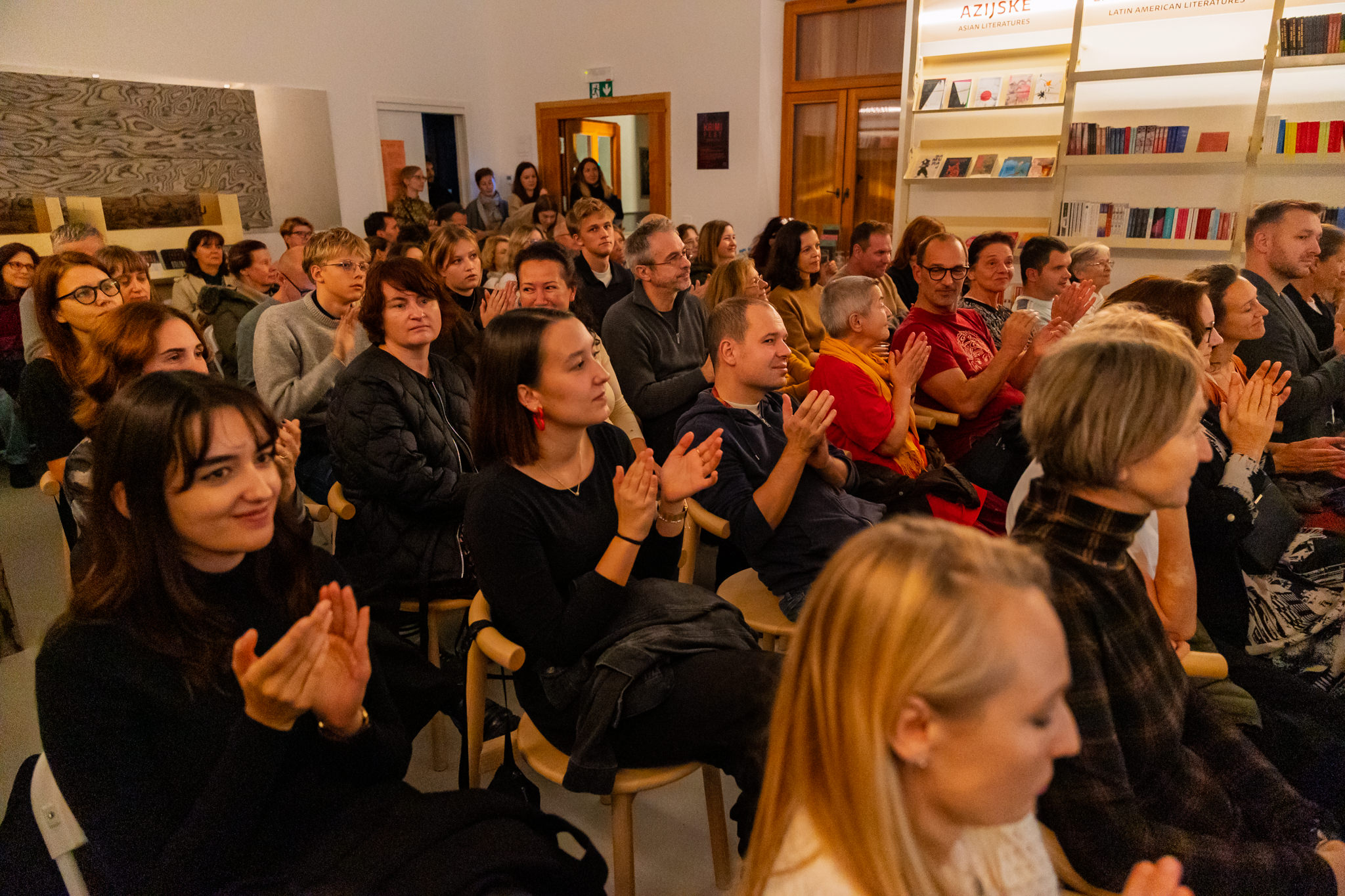
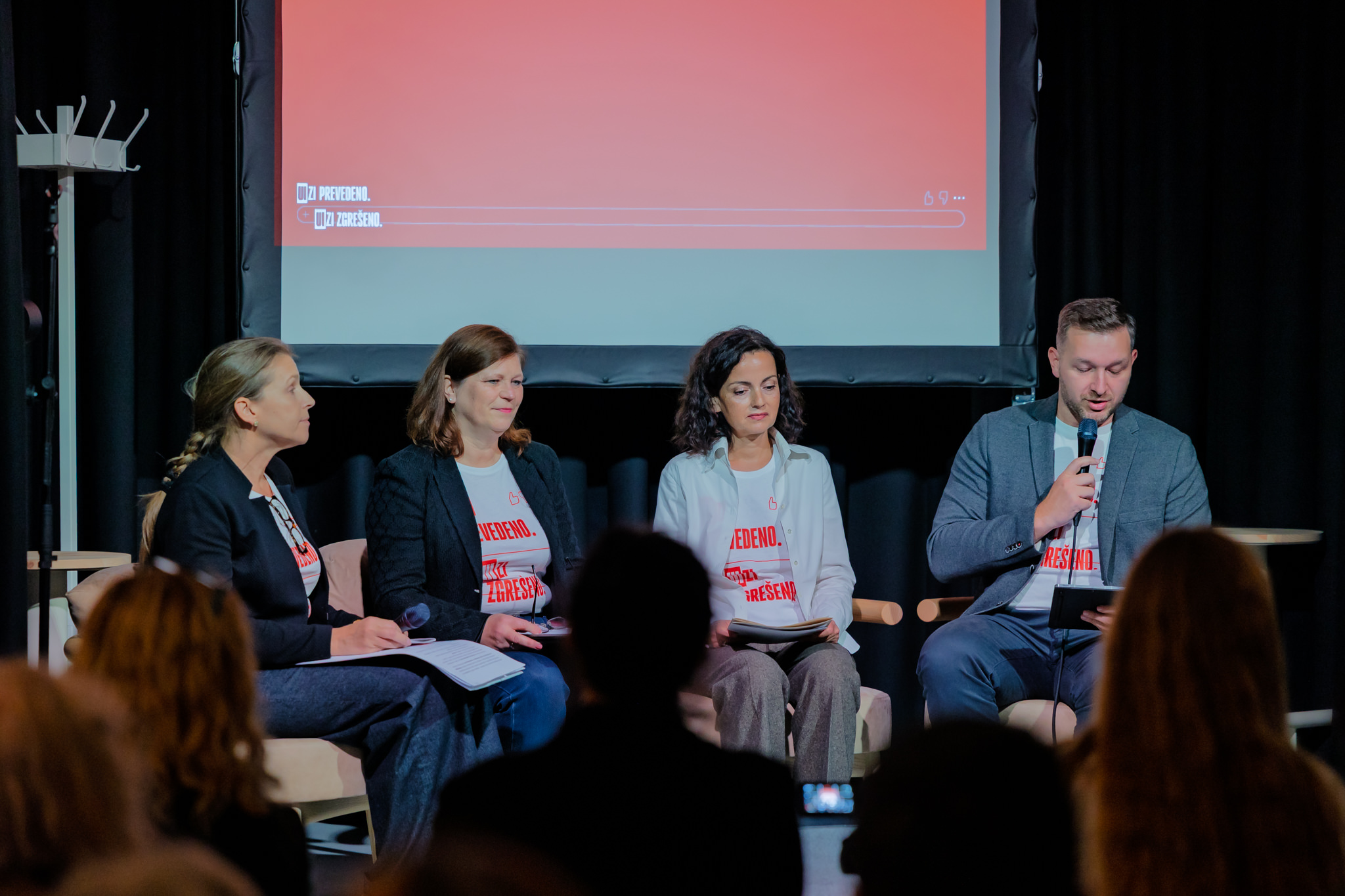
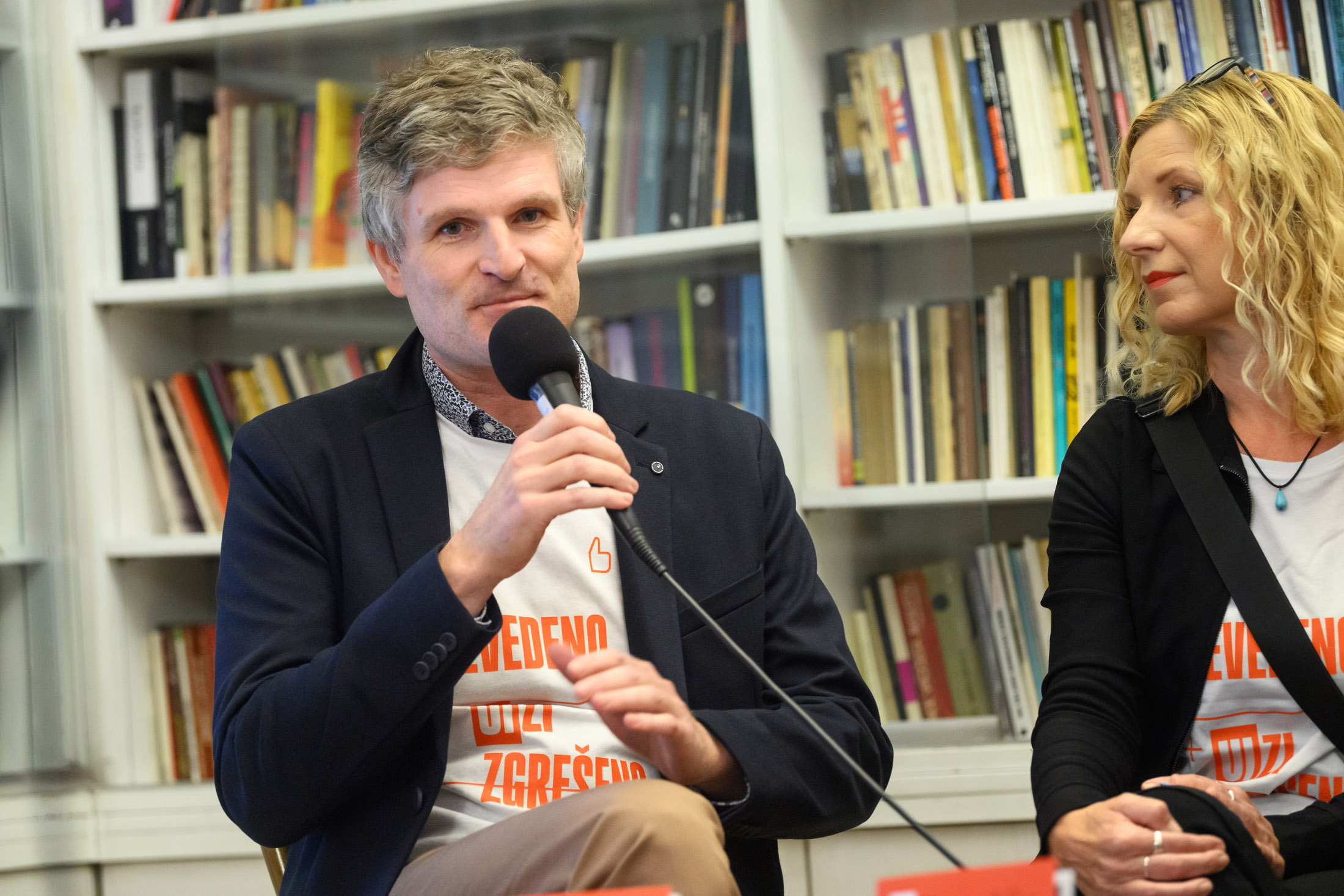
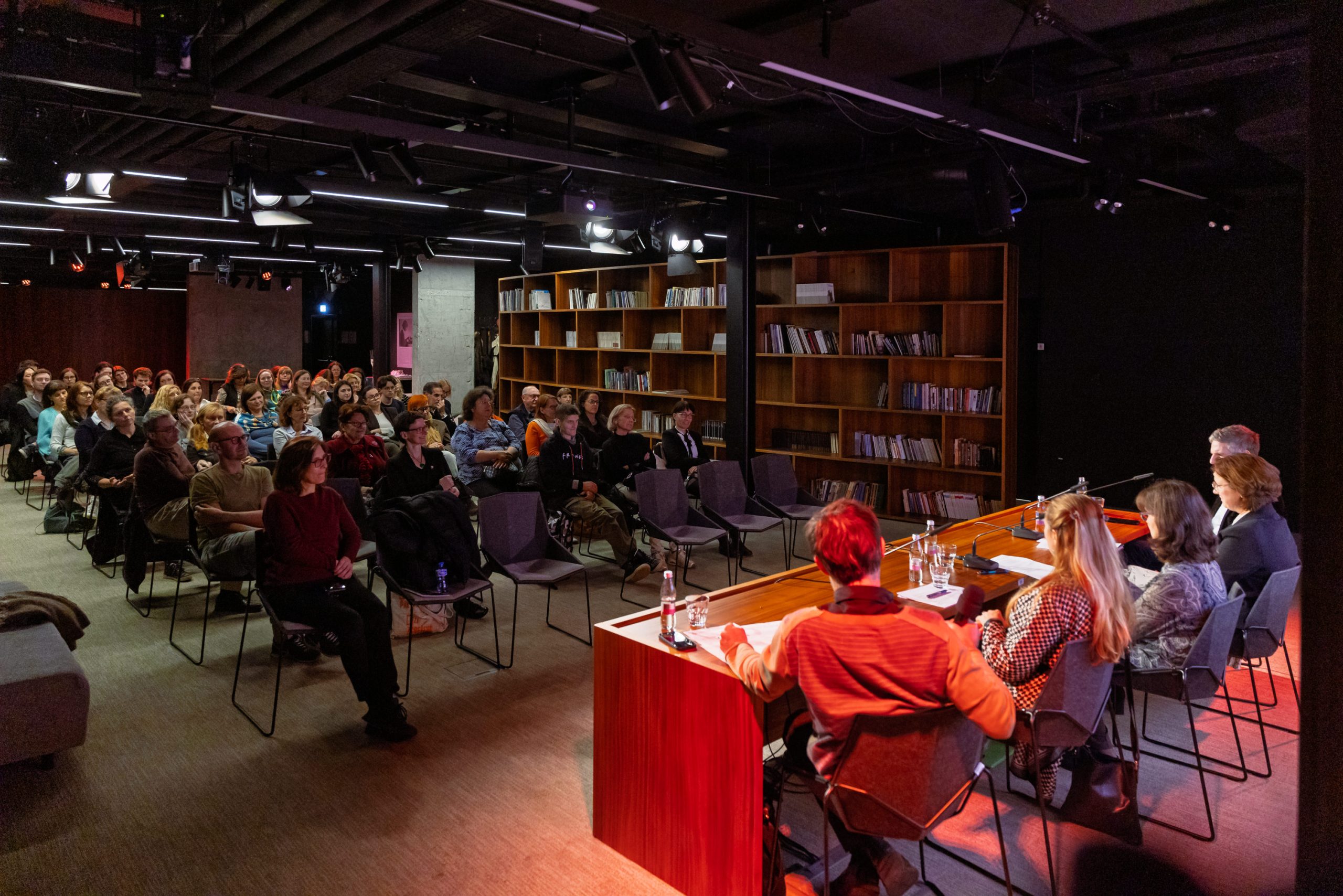
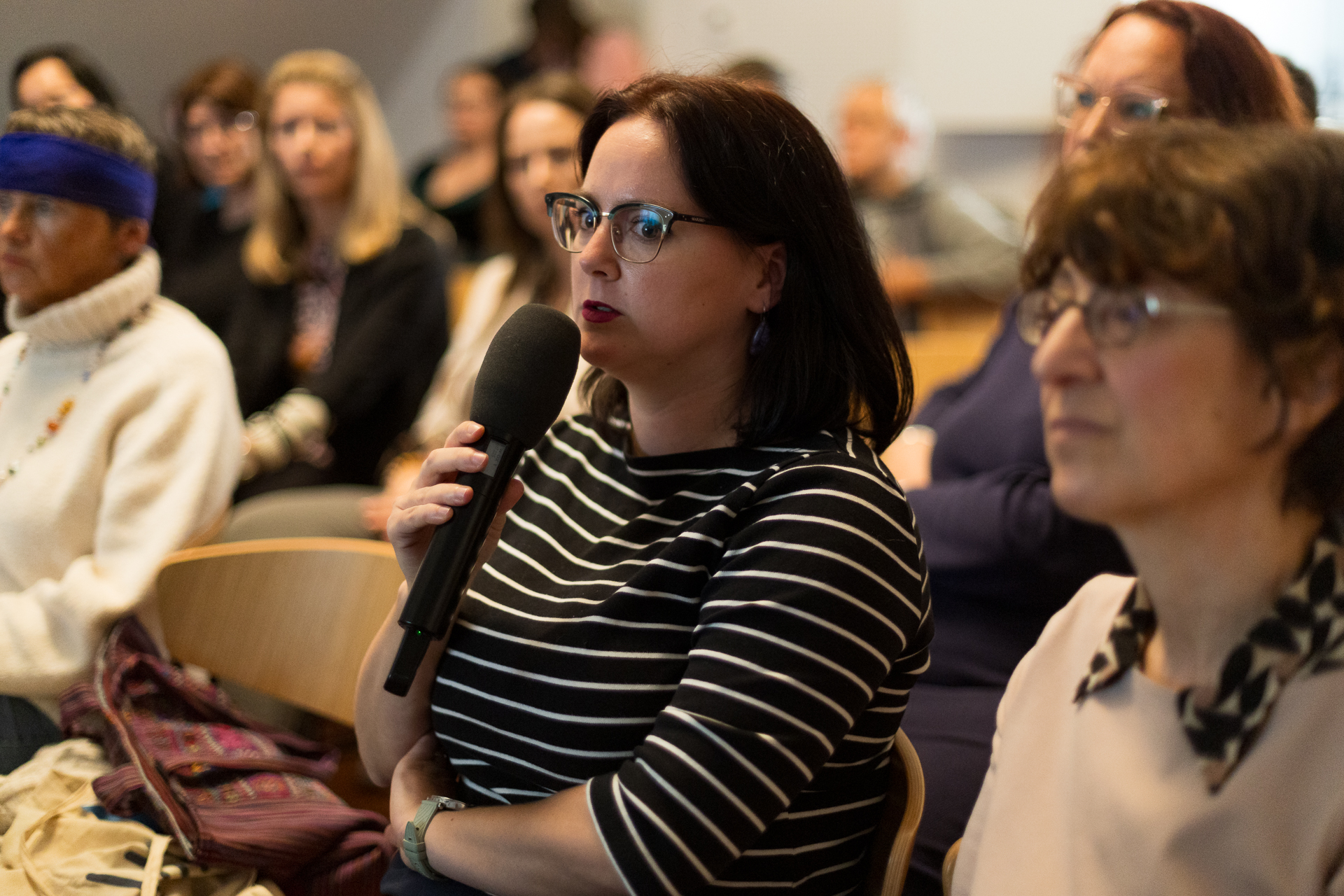
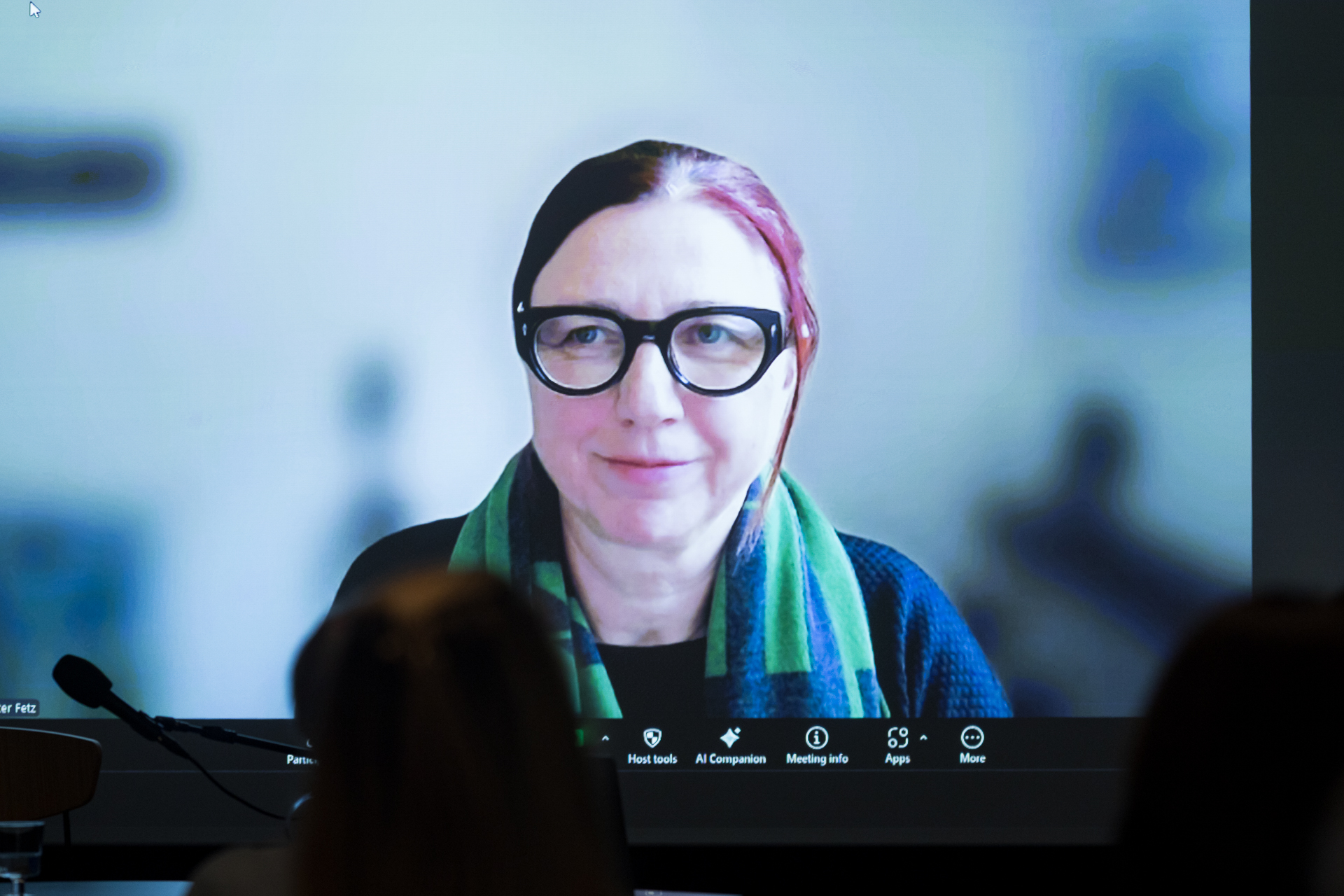
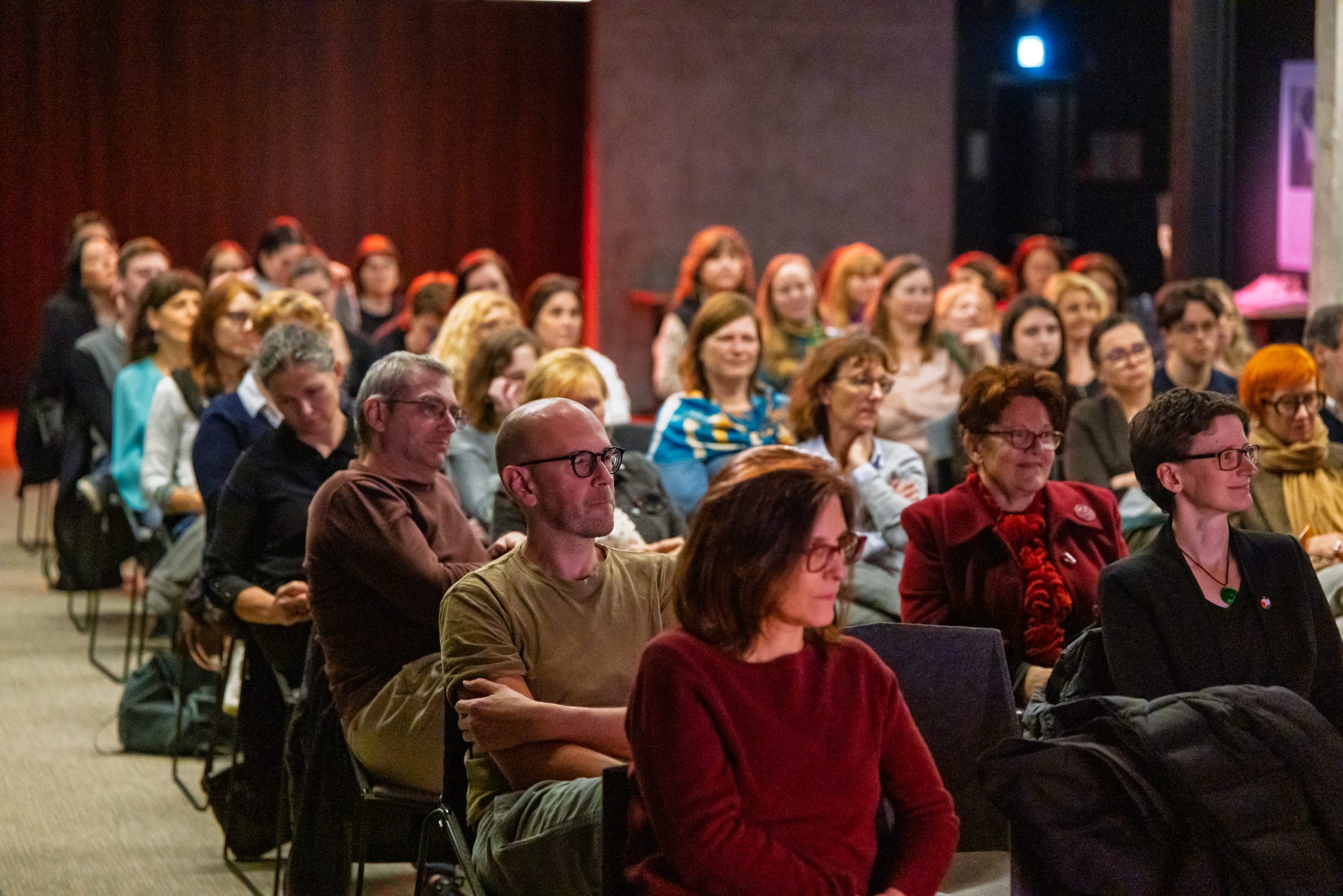
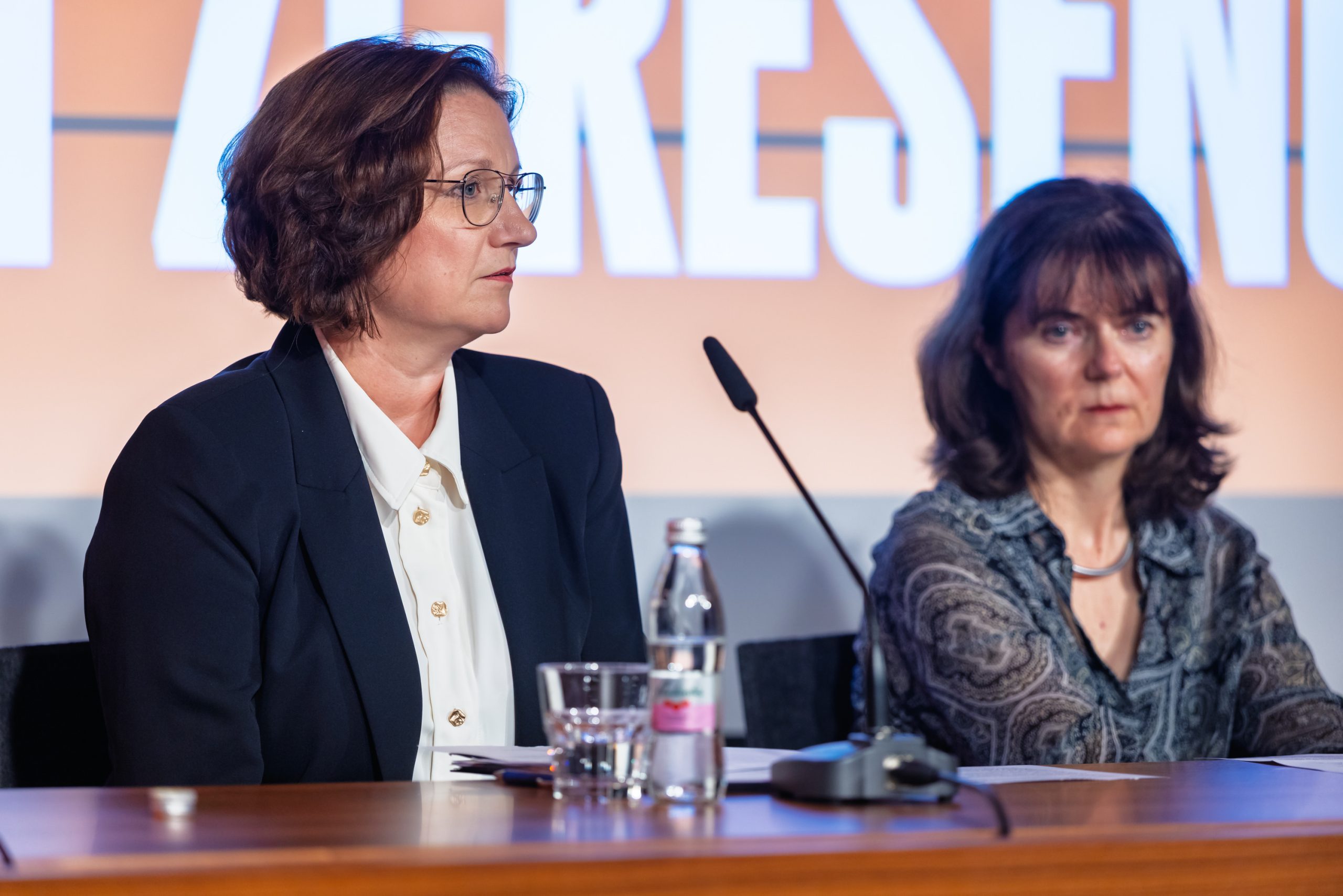
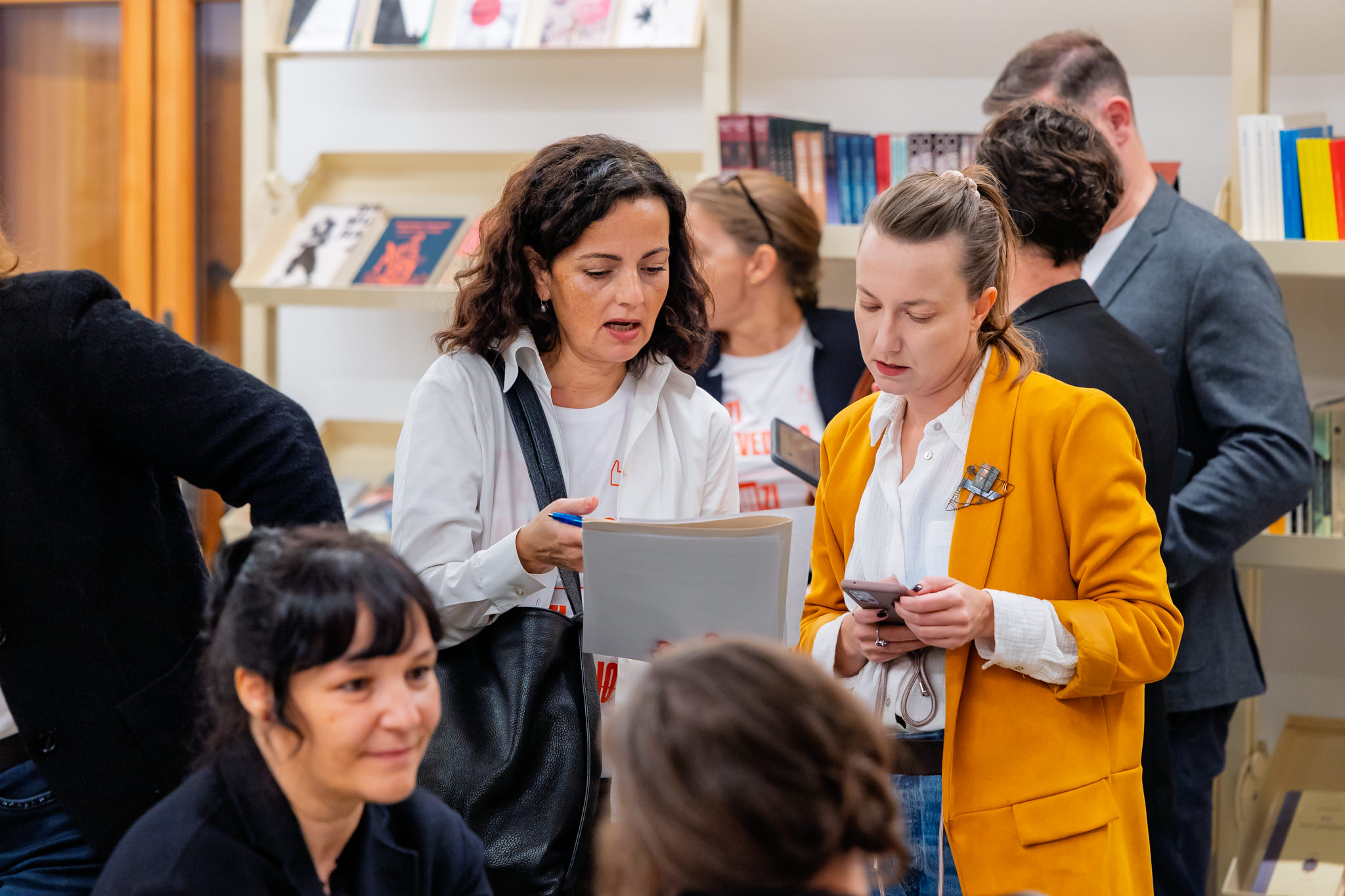
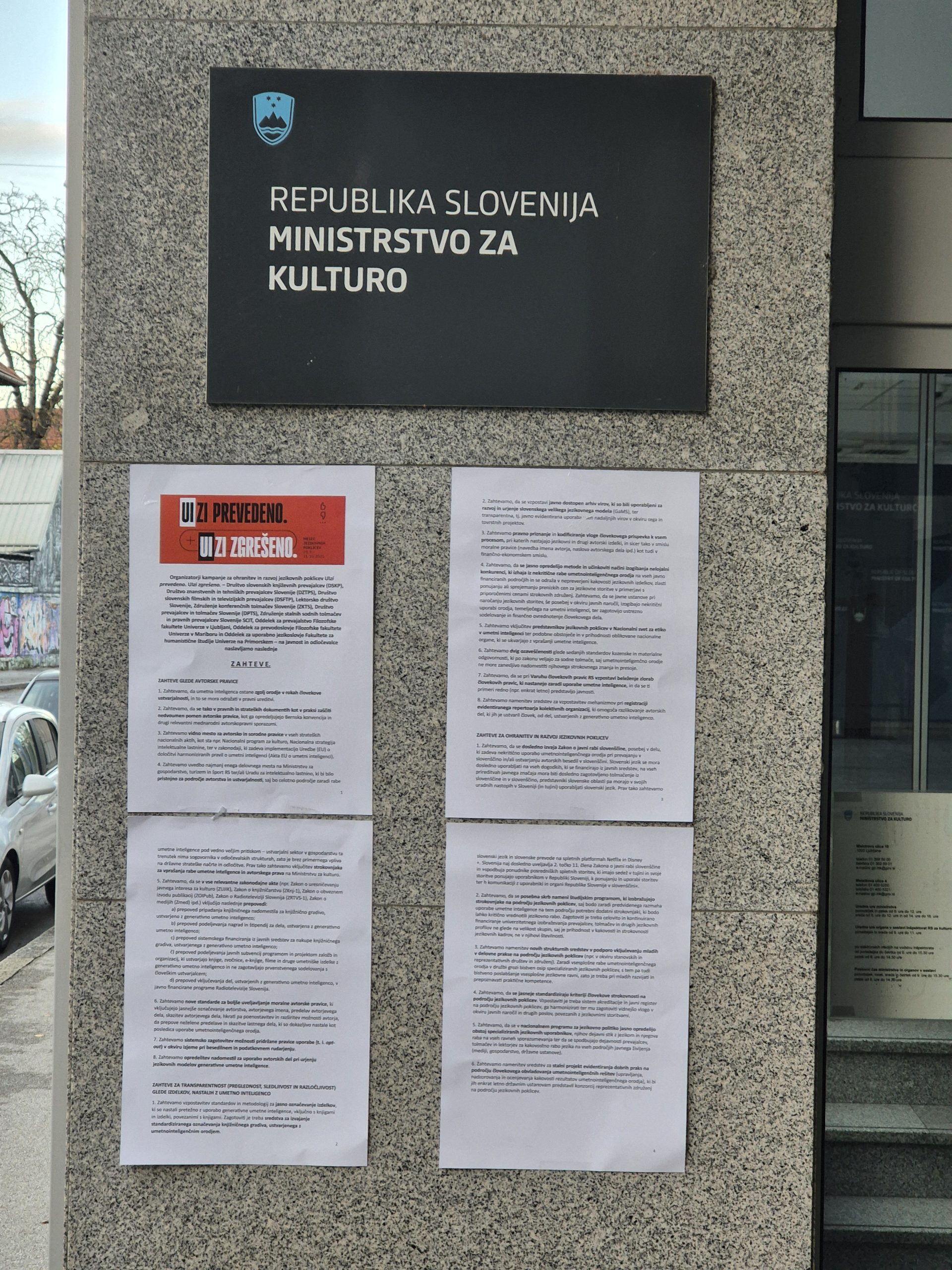
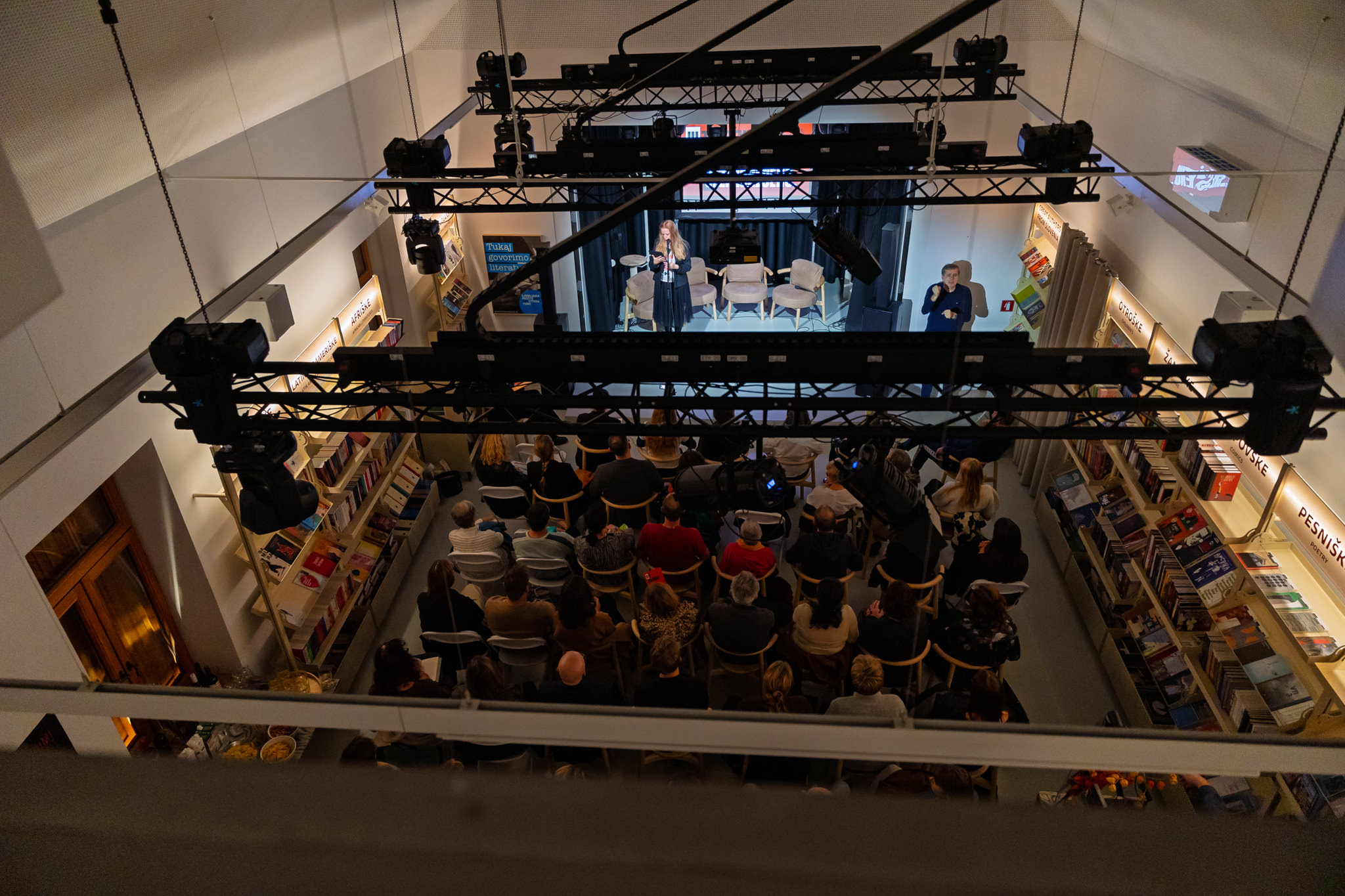
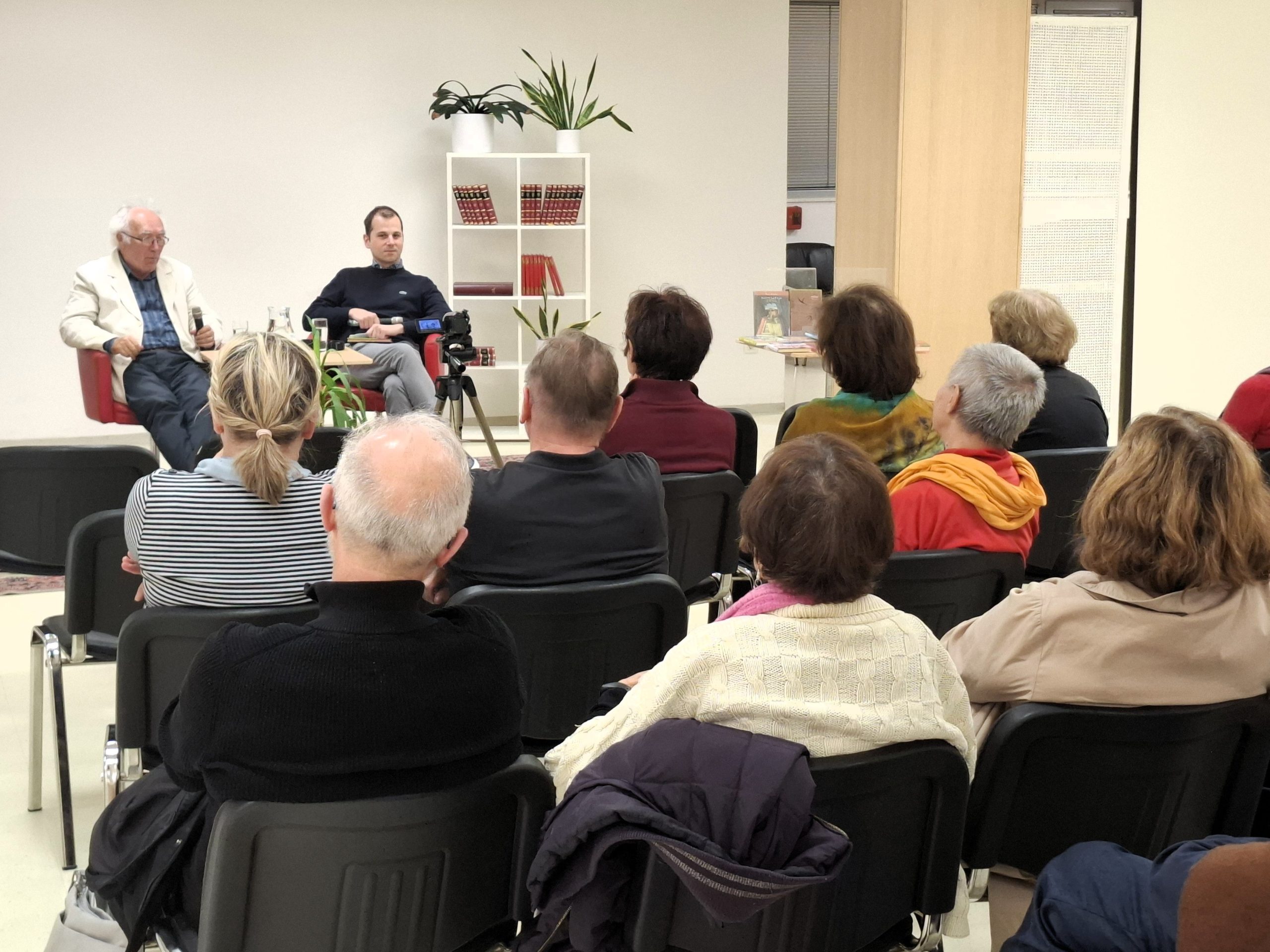
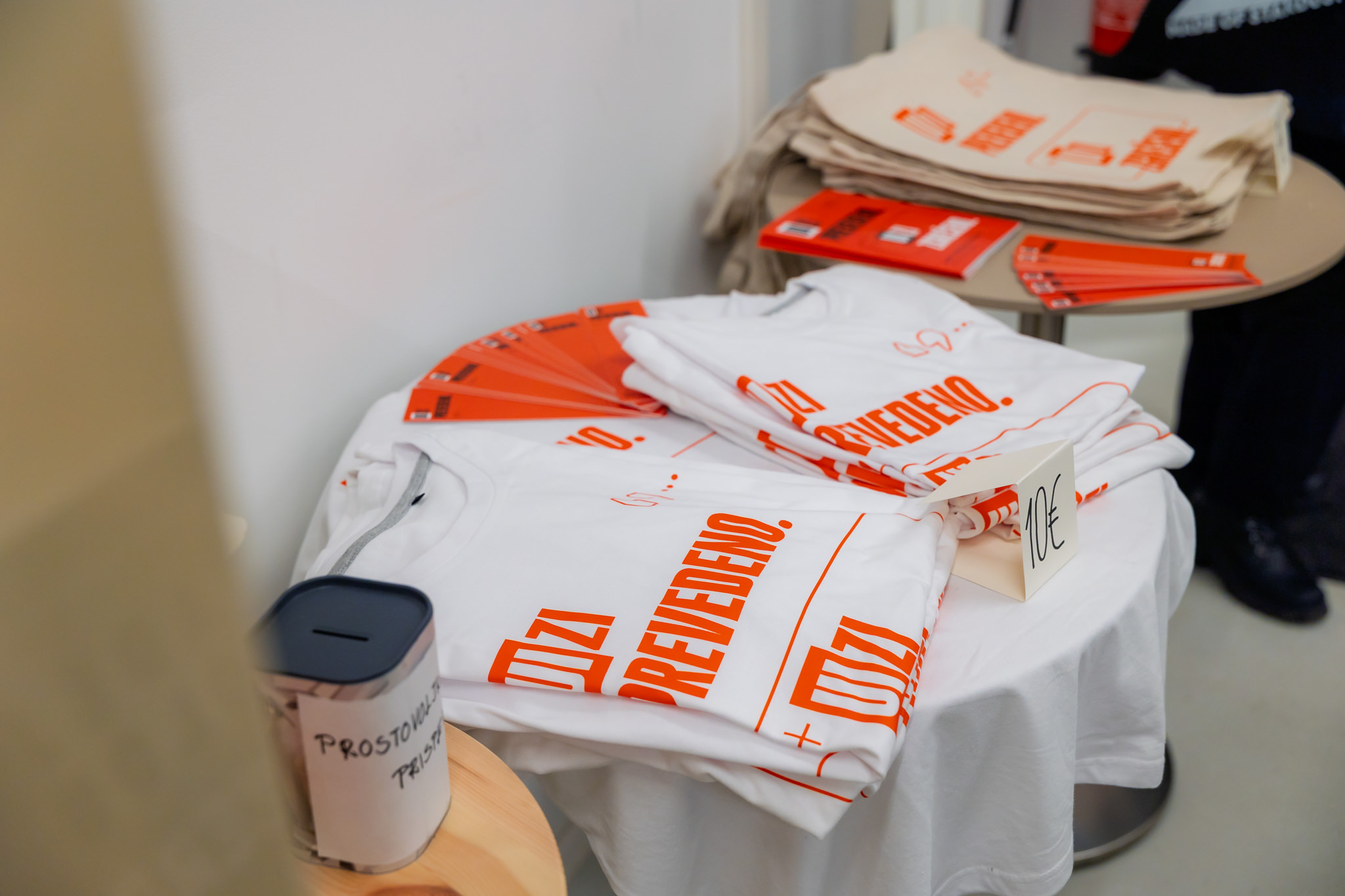
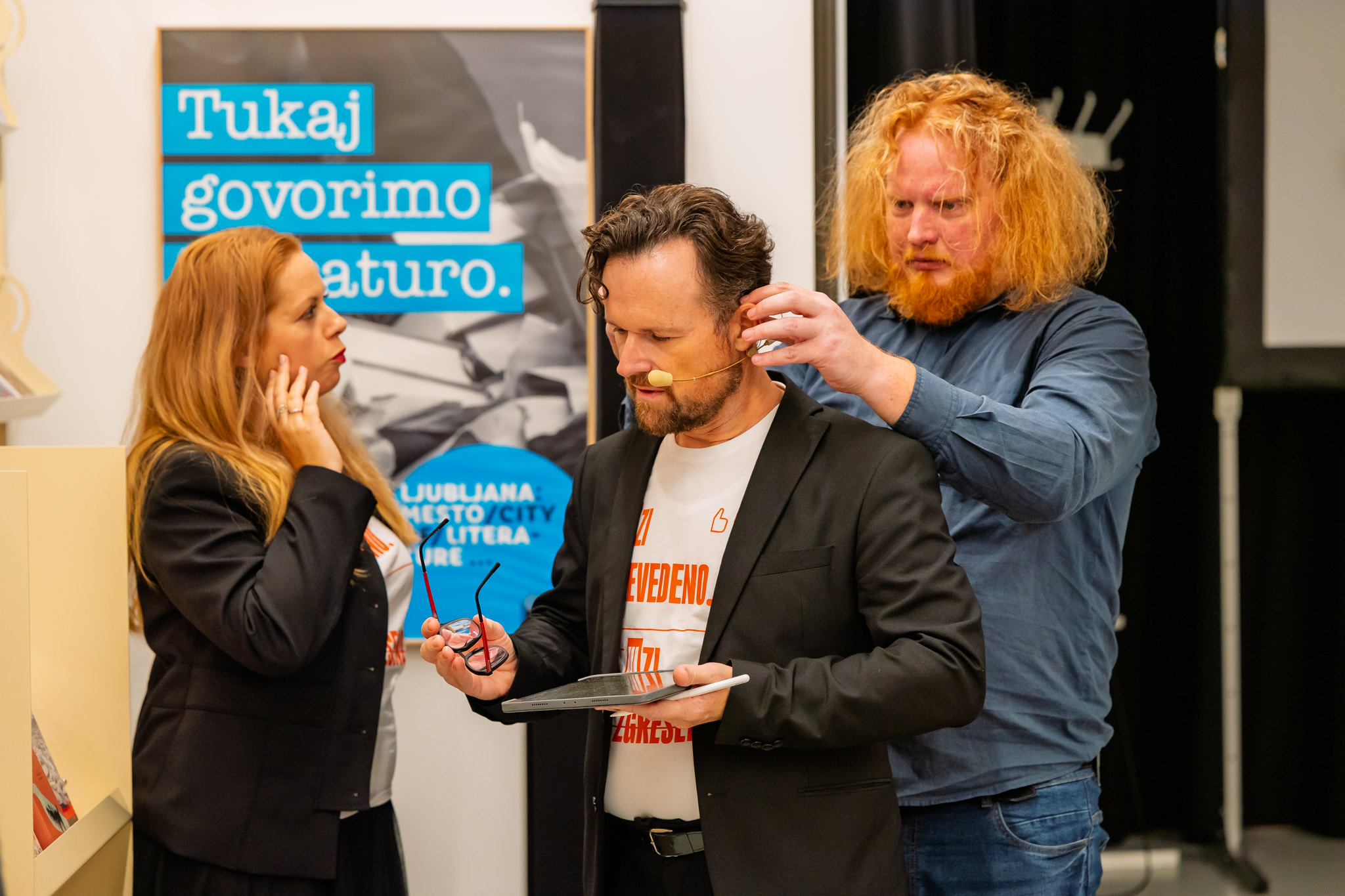
Photo: Domen Pal, Matej Pušnik, Črt Piksi, Vid Brezočnik
Participating in the campaign:
Our projects are supported by: